
Shirt Number Betting in Rugby: Forwards, Backs and Bench Markets
 Available in US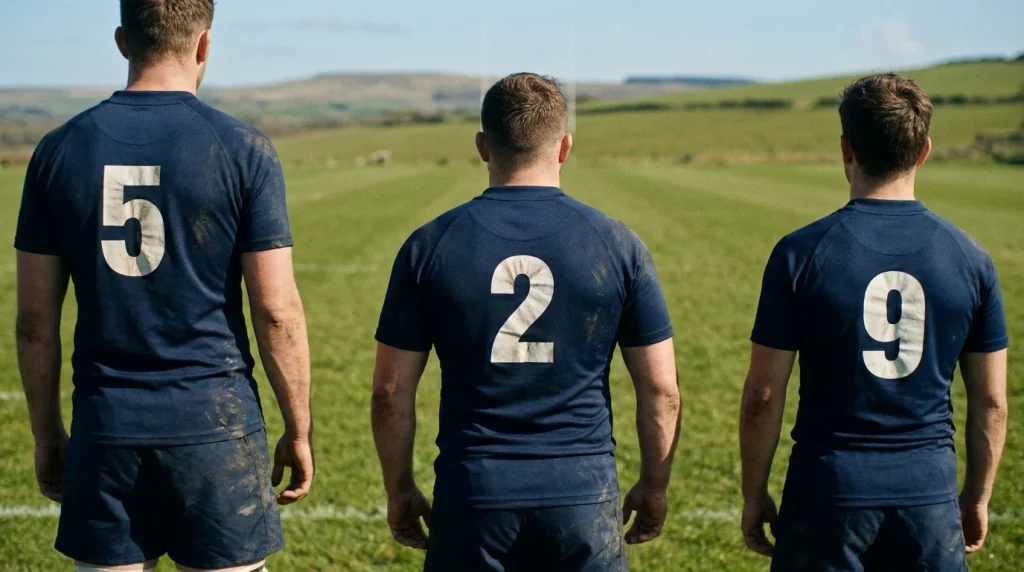
I once collected on a shirt-number bet because a tighthead prop wearing number three crashed over from a five-metre scrum in the eleventh minute. The bookmaker had priced the 1-8 forwards band at 11/4 for the first try scorer; I had backed it on a wet forecast and a Wales team built around a dominant pack. The bet won, and a friend who had backed individual wingers at 8/1 each sat in disbelief. Shirt-number betting is one of the cleanest ways to express a tactical view on a rugby match without committing to a specific player, and it is consistently underused by British punters who default to named-player markets.
The market wraps a group of players into a single bet based on their shirt numbers. Instead of picking the exact try scorer, you pick the band of shirt numbers from which the scorer will come. Forwards wear 1 to 8, backs wear 9 to 15, bench players wear 16 to 23. Each band has its own try-scoring profile, and reading those profiles is the entire skill of the market.
This guide covers what the shirt number market actually is, how forwards versus backs bands break down, what bench markets reveal about late-game scoring, and how to read tactical context for each band.
What the shirt number market actually is
The shirt number market typically offers three bands: 1-8 (the starting forwards), 9-15 (the starting backs), and 16-23 (the bench). Some books split the forwards band further into 1-3 (front row) and 4-8 (locks and back row), and some split backs into 9-11 (half-backs and one winger) and 12-15 (centres, full-back, and the other winger). The exact splits vary by operator.

The market resolves on the first try scorer, anytime try scorer, or last try scorer depending on which variant you select. The first try scorer shirt-number market is the most popular and pays the longest odds on the less-likely bands. Anytime markets pay shorter prices because the band has multiple opportunities across the match.
Pricing reflects the underlying try-scoring distribution by position. The Six Nations 2025 produced 108 tries across fifteen matches, averaging 7.2 tries per game, and the positional breakdown of those tries typically allocates about 55 to 60 per cent to backs, 35 to 40 per cent to forwards, and the rest to bench players who came on after replacements. The market prices each band according to these baselines, adjusted for the specific fixture.
The 9-15 band is usually the shortest-priced for first try scorer because backs finish most modern tries. The 1-8 band is mid-priced. The 16-23 bench band is the longest-priced for first try scorer because bench players are rarely on the pitch when the opening try lands.
Forwards versus backs band breakdown
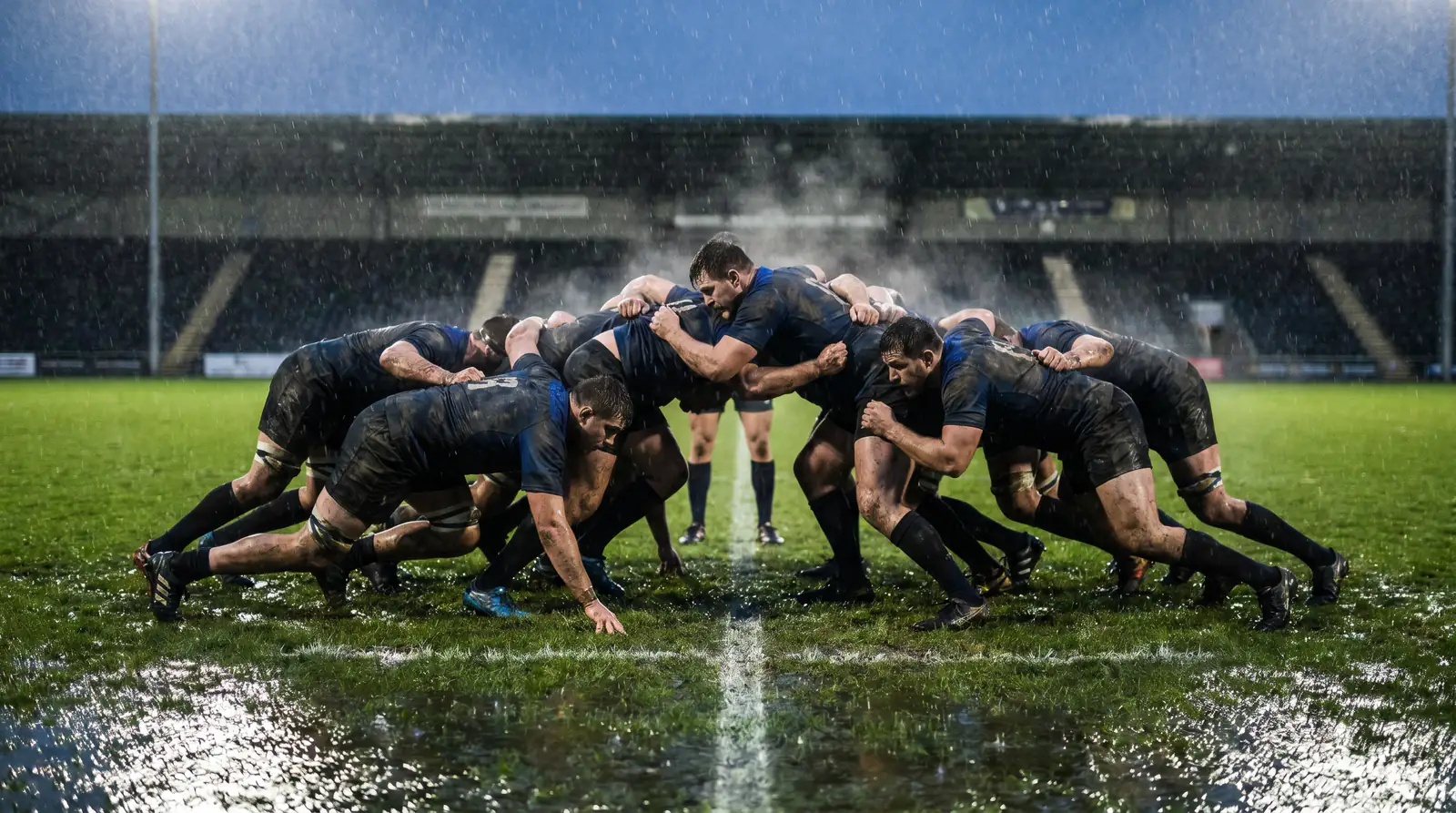
The forwards band (1-8) is the value-hunting territory in this market. Forwards score tries from close-range mauls, pick-and-go phases, lineout strike plays, and turnover ball near the line. A team with a dominant set-piece and an opponent that gives up penalties near the line will see forwards score early and often. Pricing the 1-8 band at 11/4 or 3/1 in a fixture where the maul threat is genuine has been one of the more profitable patterns I have backed.

The backs band (9-15) is the modal first try outcome but the shortest-priced band. Backing 9-15 at evens or thereabouts is rarely good value because the price already reflects the high baseline probability. The interesting backs variant is when the band is split into 9-11 and 12-15: the 12-15 sub-band often carries better odds than its true probability because the public bets named wingers individually rather than the centres and full-backs collectively.
The structural shift in modern rugby attack has pushed first-try-scorer expectations toward backs. Wider attacking shapes, more pre-planned strike moves off lineouts, and faster ball movement all favour finishers in the outside channels. But that shift can be reversed by weather, refereeing, or team news, and the bookmaker does not always reprice quickly enough when conditions favour a forward-led contest.
Match outcome and margin betting combined account for around sixty per cent of all rugby wagering volume. Shirt-number markets sit in the remaining forty per cent of niche markets, which means they get less sharp money pushing prices around. That is both an opportunity and a warning: prices move slower, so good information stays good for longer, but the bookmaker’s base pricing is also less rigorous than in headline markets.
Bench markets and late-game scoring
The 16-23 bench band is the least understood of the three. Bench players come on between minutes 50 and 65 typically, and the last twenty to twenty-five minutes of a match account for a disproportionate share of late tries. When a match opens up in the final quarter, bench wingers and bench back-rowers can score in numbers that surprise the public.
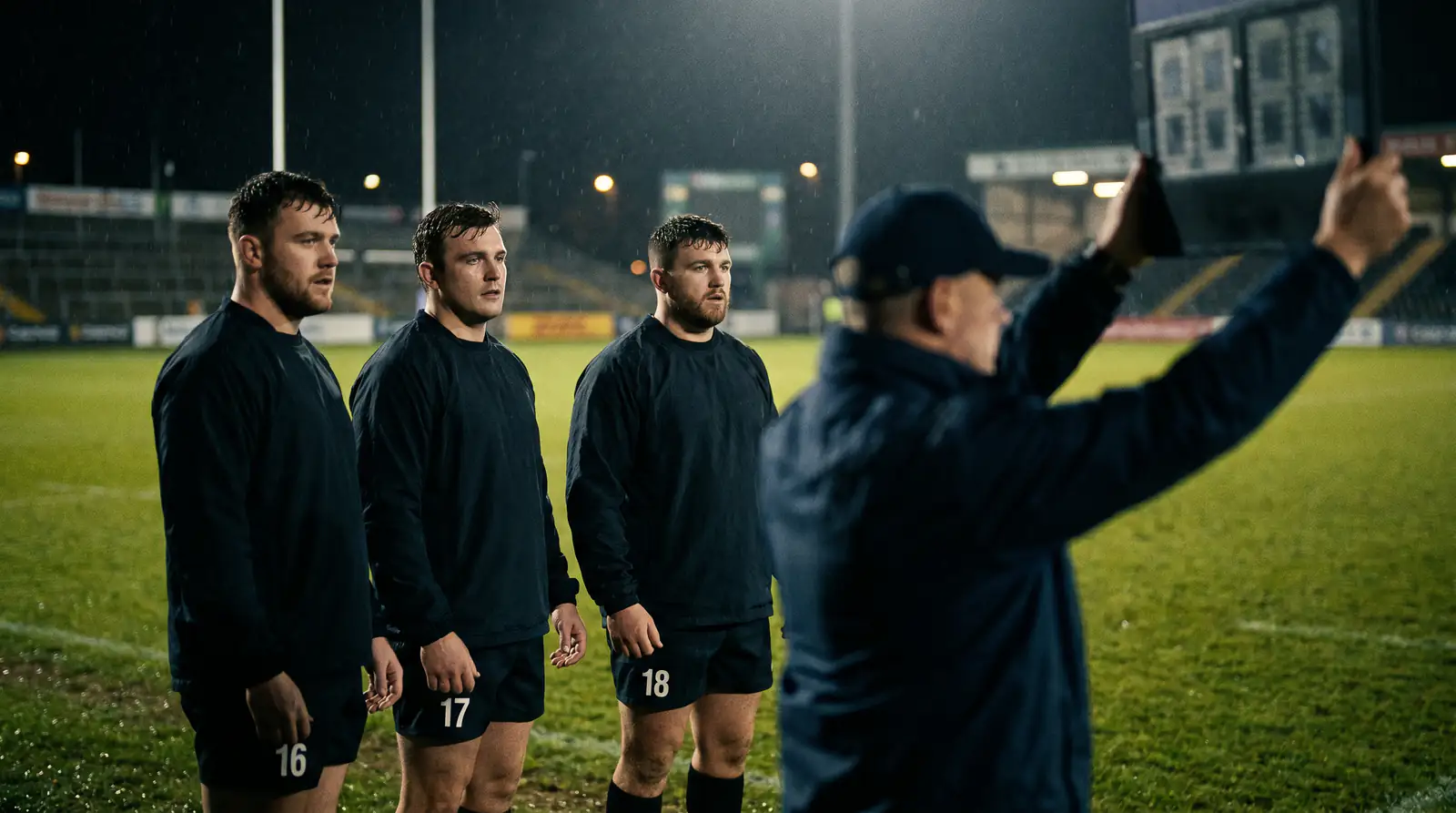
The first-try-scorer bench bet rarely pays because the first try usually lands in the first half. But the anytime and last-try bench markets are more interesting. The last-try bench market, in particular, can be undervalued in matches expected to finish lopsided, because the trailing team often introduces bench backs to chase points and the leading team introduces bench forwards to close out the game. Either set of bench players can score the last try.
The maths on bench scoring depends heavily on the timing of substitutions. Some coaches make their full bench rotation by minute 55; others delay until minute 70. Reading each coach’s substitution pattern across recent matches gives a meaningful edge on bench try-scorer markets. A coach who routinely empties the bench early opens more scoring windows for bench players than a coach who holds replacements back.
The bench band is also affected by yellow cards. A sin-bin to either side mid-match often triggers earlier bench introductions on the player-up side, expanding the bench’s time on the pitch. Yellow cards are unpredictable, but in matches with a strict referee and high penalty counts, the bench’s scoring window expands materially.
Reading tactical context per band
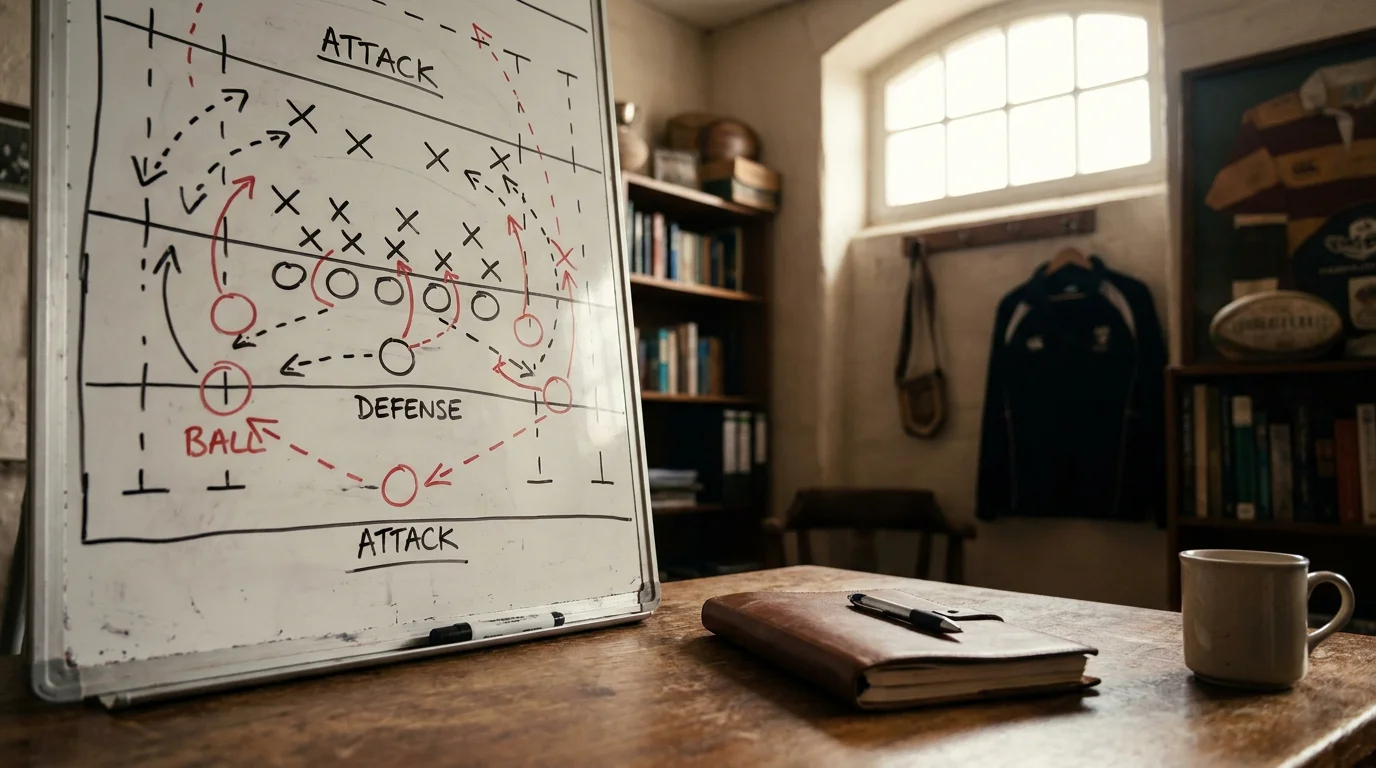
The single most useful piece of analysis for shirt-number betting is the projected try mix. A high-tries, high-tempo match favours backs because broken-play tries cluster in the wide channels. A low-tries, set-piece-dominated match favours forwards because close-range scores are the path to the try line. Reading the projected match shape before betting shirt-number bands is essentially the whole skill.
Weather is the cleanest tactical input. Wet conditions push the match toward forwards because handling errors limit wide attacking and territorial kicking demands forward-led close-range pressure. Dry conditions favour backs because the ball moves cleanly and wide attacking shapes work. A 1-8 bet on a wet forecast is one of the more reliable shirt-number plays.
Opposition discipline is the next input. Sides that give up penalties near their own try line concede maul tries and pick-and-go tries to forwards. Sides that defend cleanly near the line force the attack to play wide, which shifts try scoring toward backs. Recent defensive penalty counts from each side give you a directional read on which band is likely to score the opening try.
The shirt-number market is closely related to first try scorer markets in general, and the analytical work needed for one applies to the other. My guide to how the first try scorer market is priced covers the position-by-position try-scoring distributions in greater depth and complements the band-level approach in this article.
The discipline I try to maintain in shirt-number markets is to commit to a tactical thesis before looking at the prices. If my view is that a match will be a forwards-led grind, the 1-8 band is my play even when the public has bid the backs band shorter. Following the prices into the obvious band defeats the analytical edge that makes shirt-number betting profitable in the first place.
One last note. Some bookmakers limit stakes on shirt-number markets more aggressively than on standard first try scorer markets, particularly during in-play. The reason is that the bands compress information across multiple players, which makes them harder to risk-manage. Place pre-match where stakes are higher, and treat in-play shirt-number opportunities as the smaller-stake supplement rather than the main play.
