
Six Nations Betting: Markets, Odds Trends and Tournament Analysis
 Available in US
My first Six Nations as a paid analyst was 2017. I lost money on Italy that February. Specifically, on Italy +15.5 against Ireland at the Stadio Olimpico. Conor O’Shea was talking the side up, the line looked generous, and I convinced myself that Italian discipline at home meant something. Ireland won 63-10. The cover was so far away you’d have needed a season ticket to find it.
That match — and the years since — taught me that Six Nations betting only looks easy. Six teams, a fixed format, a championship that fits neatly into seven weekends across February and March. You can hold the whole thing in your head. And exactly because of that, the markets are sharp, the public has opinions, and the spots where bookmakers genuinely misprice are narrow and specific.
I write this guide from the desk of someone who has tracked every Six Nations since 2017, with closing-line records, model outputs, and a fairly battered Moleskine of pen-and-paper notes from press boxes. The 2025 tournament gave us 1,050,465 spectators across 15 matches, an average of 70,031 per fixture, and 108 tries at 7.2 per match. Those are the headline numbers. They matter for context — but they also explain why scoring markets behave the way they do, and why a Triple Crown bet sometimes pays better than the outright on the same team.
What follows is the full picture as I read it heading into 2026: how to read the format for betting purposes, where the markets actually live, how outright prices move, the bonus-point quirks newcomers miss, where home advantage genuinely sits, what weather does to lines in Rome, Paris and Edinburgh, the commercial backdrop that shapes broadcast scheduling, and a value framework I use on every fixture. The goal isn’t to hand you a tipster sheet. It’s to give you the lens I use.
The tournament format and fixtures, read for betting
People assume the Six Nations format is simple. It is — until you bet on it.
Five rounds, played across five weekends in February and March, each team plays every other team once. Three home games for half the field, two home games for the other half. The rotation flips every year, which is the first thing to internalise: France hosted England in 2025, so England host France in 2026. That single fact is worth more than most pre-tournament previews tell you, because home matches against the strongest opponents are where outright tilts actually swing.
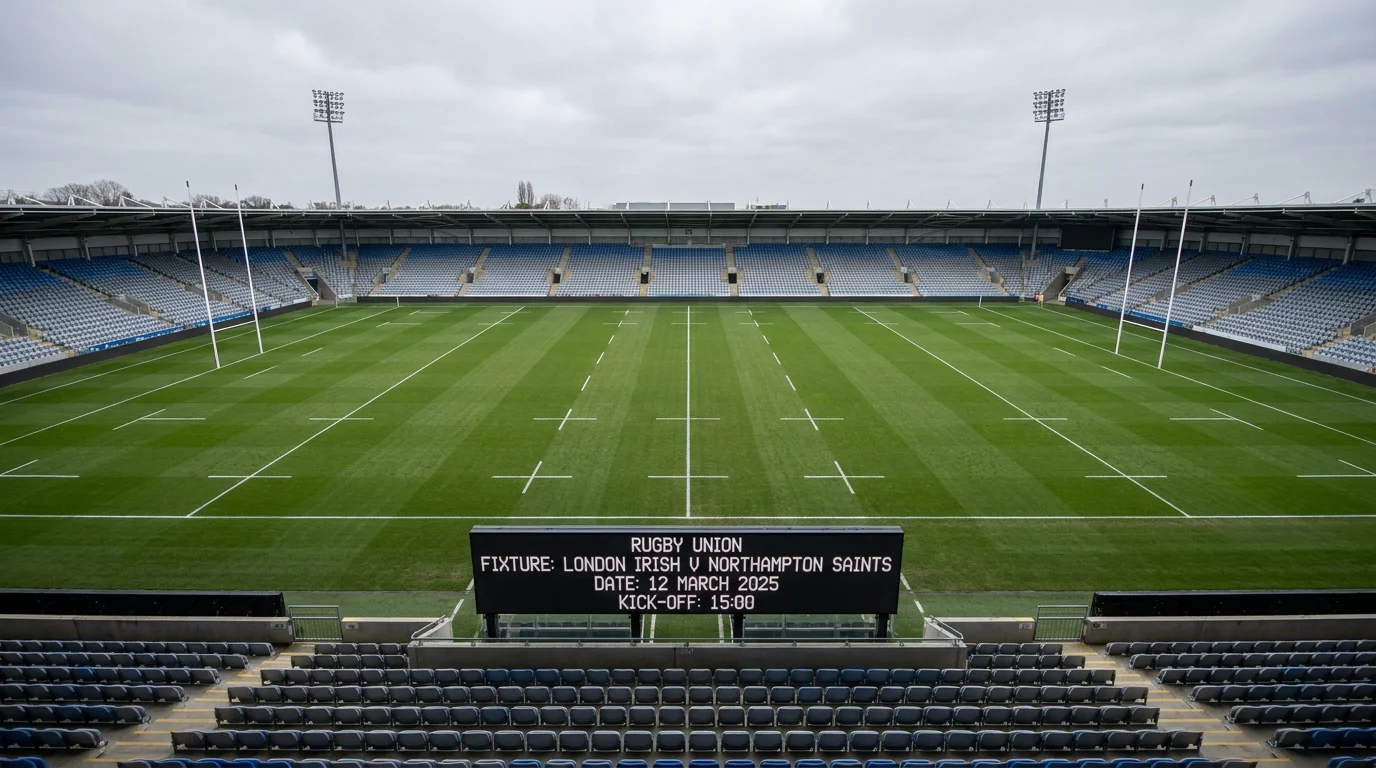
The 15-match calendar is fixed long in advance. Two fixtures per round, with one round carrying three. Saturday afternoon and evening kick-offs dominate, with Sunday afternoons reserved for fixtures like Italy at home. Super Saturday — the final day with all three matches played back to back — has been the format since 2017 and it’s now the single most important date in the European rugby calendar from a market-volume perspective.
The 2025 tournament shipped 108 tries across 15 matches, a rate of 7.2 per match. That number is the baseline I work from for try totals. It’s also higher than people remember from the lower-scoring eras of the late 2010s, and it explains why over/under tries lines have crept up — most UK books default to 6.5 or 7.5 in 2026, with a few outliers offering 5.5 for fixtures involving Italy or Scotland on a wet weekend.
A few format quirks bettors should hold in mind. Fixture order matters: a side opening at home twice has a different shape of tournament than one opening with two away trips. The Calcutta Cup, the Grand Slam window, the Wooden Spoon mathematics, and the Triple Crown sub-prize all live inside this same 15-match structure. They’re not separate tournaments — they’re betting markets layered on top of the same fixtures. That’s why I price them together rather than treating them as independent products.
The other thing worth noting: matches can’t end in a draw without consequence for the championship table. A draw splits the championship points (two each), and that small detail is the difference between Grand Slam and championship-only pricing in tight years. Hold onto that — it returns in the outrights section below.
The Six Nations betting markets, sorted by how much I actually use them
A friend asked me last March how many ways you can bet on a single Six Nations match. I started counting from memory and got to forty-something before I gave up and pulled up a Saturday-morning screen from a major UK book. The actual number, including alternatives and same-game multis, was over two hundred.
Most of those markets are noise. The ones that matter — the ones where price discovery is real and the volume is deep enough to trust — break down into about eight categories.
Match winner and handicap. The headline markets. Match winner is three-way (home / draw / away), and the draw price for a Six Nations match is almost always a value sink — draws are statistically rare but priced fatter than the underlying frequency because public money rounds them off. Handicap is two-way and runs in 0.5-point increments, with the line set to roughly equalise stakes. For Six Nations 2025, the average handicap line across all 15 matches was just under 12 points, dragged up by the matches involving Italy.
Totals. Match total points (usually centred around 48.5 to 55.5 depending on matchup), match total tries (6.5 or 7.5 most weeks), and team totals on either side. The total-tries market is where I spend most of my pre-match analysis time, because it’s the line that moves most predictably with weather and team news.
Try scorer markets. First try scorer, anytime try scorer, last try scorer. Anytime is the deepest market, with prices on most of the matchday 23 and reasonably tight overround. First try scorer is the public-money market — wingers and outside centres dominate the short prices, and there’s almost always a number 8 or hooker at a fat number who outperforms expectations over a tournament.
Outrights and specials. Championship winner, Grand Slam, Triple Crown, Wooden Spoon, Top Try Scorer of the tournament, Player of the Championship, Calcutta Cup winner. These don’t all settle on the same weekend, so the trading windows for each are different. I’ll come back to the outrights specifically in the next section.
Race-to and time-of markets. Time-of-first-try, half-time/full-time double result, race-to markets (race to 10 points, race to 20), winning margin bands (1 to 12, 13 to 24, 25+). These are the markets where the bookmaker overround is highest and the bettor’s information edge has to be largest to overcome it. I dip into them selectively — winning margin in particular only when I have a strong model output that doesn’t fit cleanly into a handicap call.
Penalty and discipline markets. Penalty markets, drop goal yes/no, sin-bin counts, total cards. Niche but lively, especially around fixtures with referees known for a stricter or looser interpretation. I treat these as live-betting markets rather than pre-match, because the prices move so much with the first 20 minutes of refereeing tone.
The two markets I’d point an intermediate bettor towards are anytime try scorer (deepest market, fairest pricing) and the alternative tries totals line (more flexibility than the main line). The market I’d avoid until you’ve put in the screen time is winning margin — the variance is brutal even when you’re right about the direction of the match.
Outright and championship odds, and when to back them
The window where outright prices move from interesting to unbettable in the Six Nations is short. About three weeks long, and it opens roughly the moment the autumn internationals finish.
Late November to early January is the soft pricing period. Books have a view, the public hasn’t engaged yet, and information from the autumn — injuries that will or won’t clear by February, coaching changes, scrum-half hierarchies — is in flux. By late January, with squads named and warm-up matches contributing zero data because there are no Six Nations warm-up matches, the market sharpens. By the time Round 1 kicks off, championship pricing is roughly as efficient as Premier League title odds.
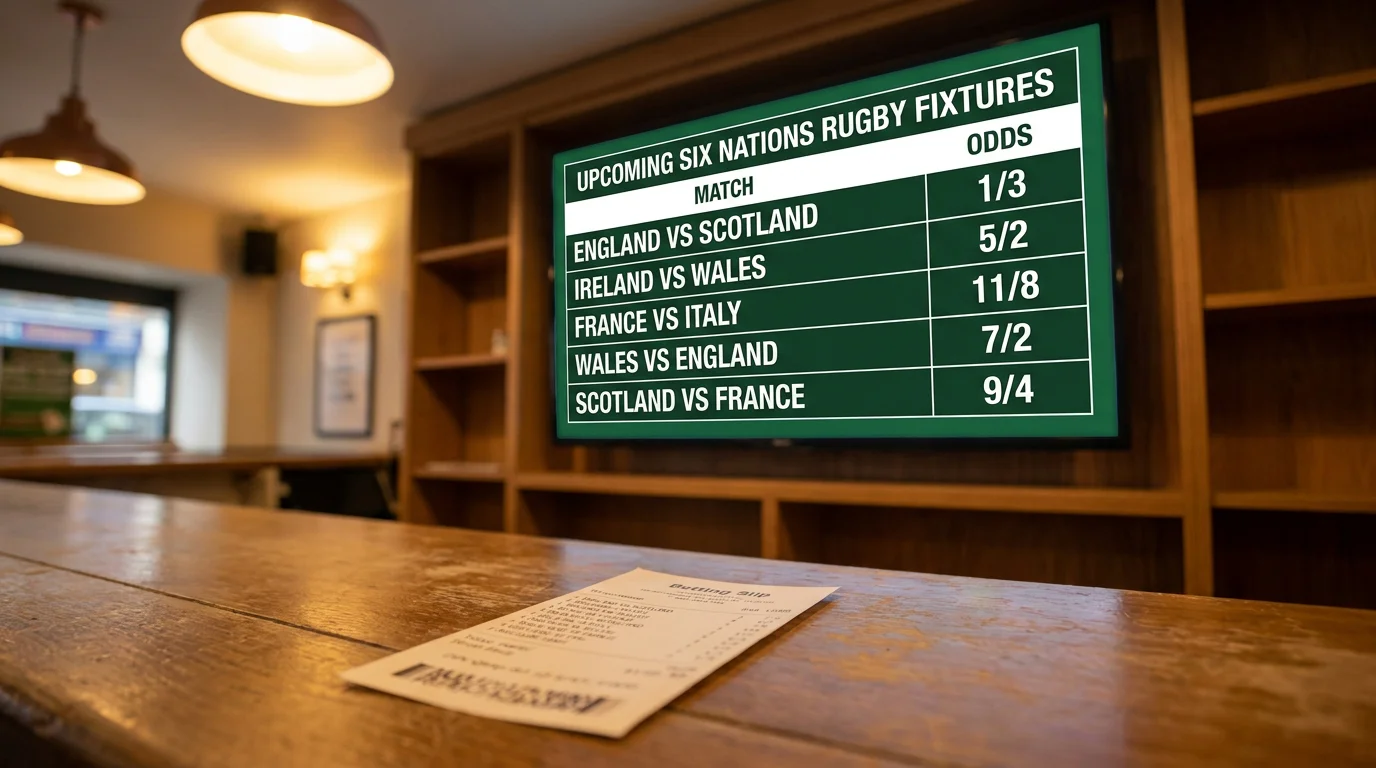
For Six Nations 2026, the championship favourite price in early November sat around 5/4 for France, with Ireland 11/4 and England 4/1. Those numbers will shift before Round 1. They always do. I’ve kept a record of opening and closing championship prices for every tournament since 2018, and the average movement on the eventual winner from ante-post to kick-off Round 1 is roughly 20 percent — sometimes contracting, sometimes drifting, but rarely staying still.
The peak audience for England’s match against France during Six Nations 2025 hit 6 million viewers across all devices on ITV1, with an average of 4.3 million. That isn’t a betting metric directly, but it’s the strongest signal of how much public money lands on those marquee fixtures. When the public engages at that volume, the handicap and match-winner prices tighten, and the secondary markets — try scorers, half-time leaders, race-to-10 — become where the experienced bettor’s edge actually lives.
A note on context with the World Cup looming. The Betfair spokesman Sam Rosbottom set the table after the December 2025 draw with: “South Africa are 9/4 favourites to win the Rugby World Cup for a third successive time in 2027. The Boks have cemented their position as World No.1 and are likely to collide with 7/2 second-favourites New Zealand.” That matters for Six Nations 2026 because it sets the relative strength baseline for European sides chasing a global narrative. England at 5/1 for the World Cup tells you the books think England’s ceiling is higher than the championship-only market reflects. If you back England for the Six Nations, you’re partly buying a side whose RWC trajectory might already be steepening.
The mechanical question — when is the best time to back an outright? — has a boring answer. For tournament-winner bets, the cleanest value windows I’ve found are: opening week of November, before public money sharpens prices; the 48 hours after the autumn international finals, when matchday performances correct stale views; and the morning of Round 2, after Round 1 results have repriced things and before the public catches up.
Bonus points and the championship table dynamic
The bonus-point system is the single most-misunderstood mechanic in Six Nations betting, and I’ve watched professional traders make six-figure mistakes by treating it as cosmetic.
Here’s how it works. A win is worth 4 championship points. A draw is worth 2. A loss is worth 0. On top of that, scoring four or more tries in a match earns a bonus point regardless of result. Losing by seven or fewer earns a losing bonus point. And — uniquely to the Six Nations — winning all five matches earns three extra championship points on top of whatever bonuses you’ve collected.
That last rule was introduced in 2017 and changed the outright market structurally. Before 2017, a side that won 5 from 5 was the champion automatically. After 2017, the three-point Grand Slam bonus made the bet “Grand Slam” and the bet “championship winner” overlap almost perfectly on price — but not quite. There’s still a sliver of value gap in years when one team is overwhelmingly favoured.
The try bonus and losing bonus matter for in-match betting more than the outright. A side trailing by 10 points with eight minutes left, sitting on three tries, will sometimes chase the bonus rather than the win. That changes the in-play try totals and the alternative team totals lines in real time. Bookmakers price this in pretty fast, but the live markets sometimes lag by 30 to 60 seconds when a fourth try is brewing, and that’s a live-betting window worth knowing about.
The championship-on-points-difference scenario — where two teams finish equal on championship points and the tiebreaker becomes try difference or points difference — happens roughly every three to four tournaments. When the table is tight heading into Super Saturday, the points-difference market becomes the most volatile single market on the board. I’ve seen swings of 30 percent between the morning of Super Saturday and the second match’s half-time whistle.
Home advantage, away travel and venue trends
Home advantage in international rugby is large, persistent, and asymmetric. It’s also priced more efficiently than most people give bookmakers credit for.
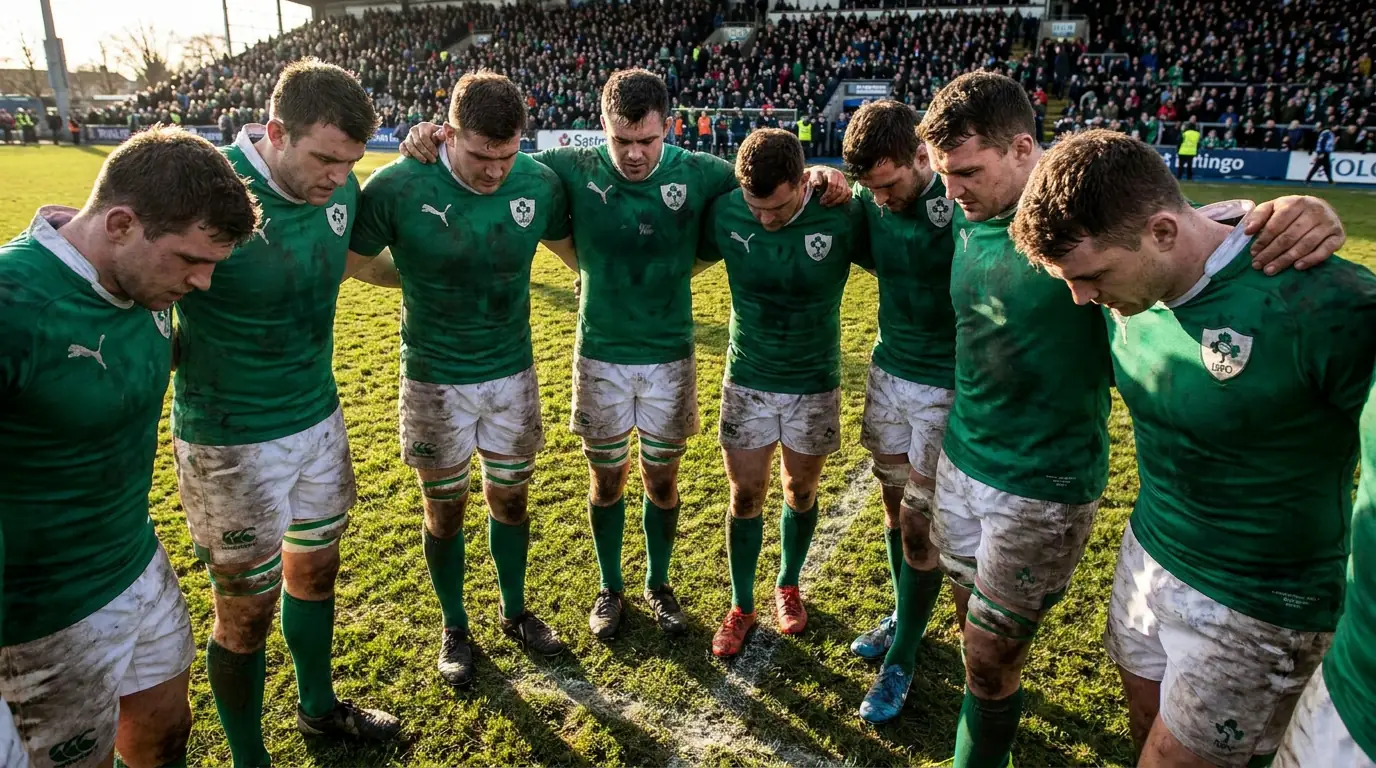
Across the last decade of Six Nations matches, the home side wins around 60 percent of the time. That headline number is misleading because it lumps everything together. Break it apart and the picture sharpens. Italy at home wins about 25 percent of their fixtures. France at home wins about 75 percent. England at Twickenham — now Allianz Stadium for naming purposes but the same concrete — sits around 70 percent. Ireland at the Aviva is north of 75 percent. Scotland at Murrayfield runs in the low 60s. Wales at the Principality Stadium oscillates with their generational form: above 70 percent in good cycles, closer to 50 percent when the squad’s thin.
The price for home advantage in the handicap market typically sits between 3.5 and 5 points. That’s about right on the modelling, with one consistent edge: Italy at home is frequently undervalued by a point or two on the handicap line. Not as a winner — they’re not winning many of these — but on the spread. When Italy host Ireland in Rome on a wet day in early February, the handicap line goes up by a point or two from the morning of, and the closing line reflects what the model said at 7am. Be there at 7am.
The Six Nations 2025 broadcast deal returned roughly $135.24 million in media rights revenue across the UK, France, Italy and Ireland, with 32 broadcast deals worldwide. That gives you a sense of the venue scale. The host union keeps the gate, the title sponsor brands the trophy, and the broadcast revenue funds the tournament. Translation: the venues fill themselves, the atmosphere is real, and the home-side momentum isn’t a myth concocted by punters — it’s a measurable effect that comes through in the data every year.
The match-up where home advantage is most undervalued by the public is the second-tier hosts (Italy, Scotland) against the second-tier visitors. The matchup where it’s most overvalued is anyone hosting France during a France golden generation. France travel well now in a way they didn’t 15 years ago, and the public’s “France always crumble in Wales” prior is a decade out of date.
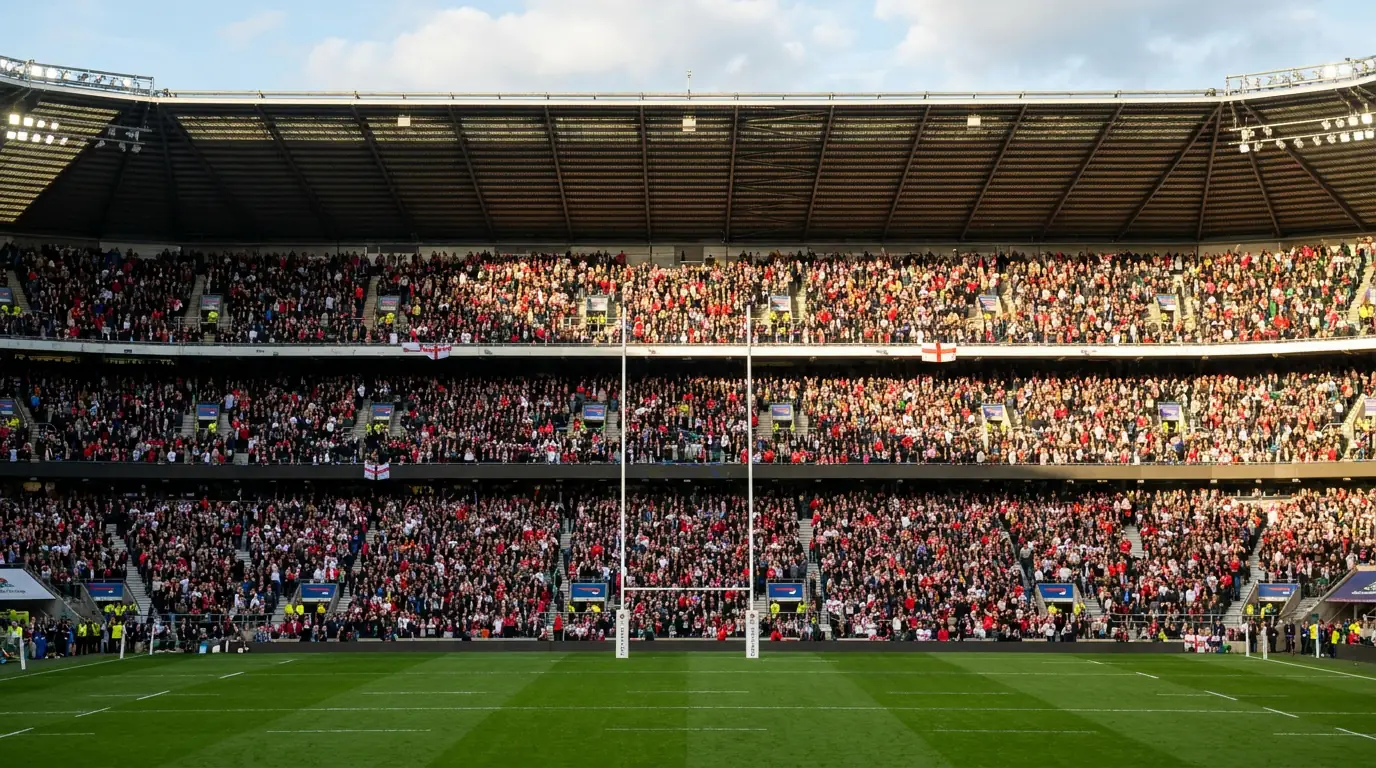
Weather at Murrayfield, Stade de France and Stadio Olimpico
I check three weather forecasts before every Six Nations weekend. None of them is the BBC. Met Office, Météo-France, and Meteo.it — because the local services for Edinburgh, Paris, Rome, Dublin and Cardiff catch the front passages and wind shifts the aggregators miss by about six hours.
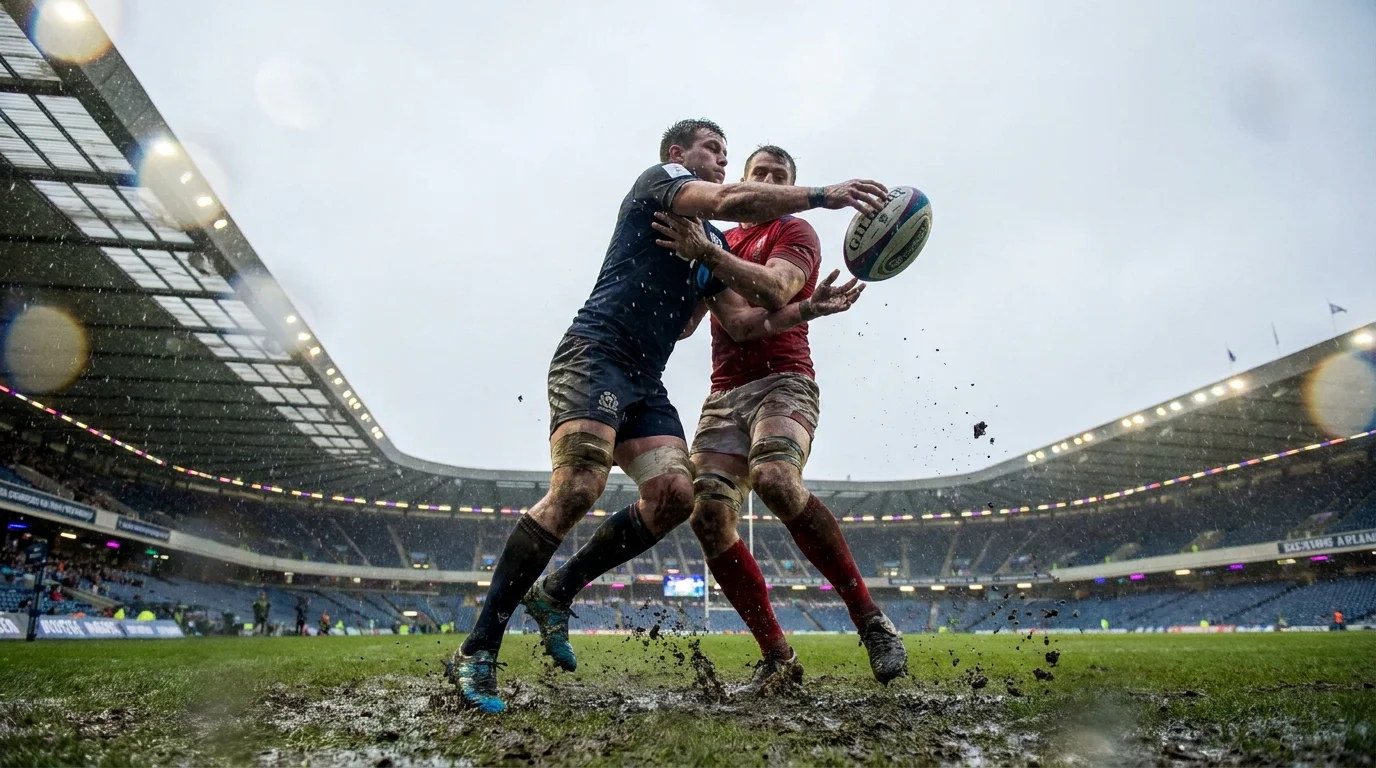
Weather in Six Nations betting is a totals story far more than a winner story. Heavy rain — and I mean genuine driving rain, not Edinburgh drizzle — shifts the total tries line by 1.5 to 2 full tries on average. Wind above 25 mph at Murrayfield closes down the kicking game asymmetrically, hurts the side with the better goalkicker more, and pushes the totals under. Cold below 4 degrees Celsius raises handling errors and tilts the match towards forwards, which usually means under on tries and over on penalties.
The three venues that matter most for weather edge: Murrayfield, Stade de France, and the Stadio Olimpico. Murrayfield is exposed to North Sea wind and gets it most consistently — Scotland’s home record correlates with wind speed in a way that’s actually testable. Stade de France in Saint-Denis gets rain that sweeps in from the west and a cold snap that closes the roof option (there isn’t one). The Stadio Olimpico runs hot in early February afternoons in odd years and cold-snap windy in others. The Principality Stadium has a roof, so I exclude it from the weather list — though even the roof-shut conditions affect lineout calling and the ball gets greasy from condensation.
A practical timing question: when to bet a weather-driven line. Forecasts inside the 36-hour window before kick-off are reliable enough to price off. Inside 12 hours, the market has caught up. The window between 24 and 36 hours out is where I do most of my weather-driven volume — the public hasn’t pulled up the forecast yet, but the data is firm enough to act on.
The commercial and media context behind the prices
I’ll never forget the producer’s panic in the ITV truck before the 2025 Italy-Wales opener. They had a peak audience of 3.8 million viewers on a Friday night for a fixture that, ten years earlier, would have struggled to clear 1.5 million. The Six Nations is a different commercial product than people remember.
The headline numbers from 2025: $135.24 million in media rights across the UK, France, Italy and Ireland; £15 million per year from Guinness for the title sponsorship; £18 million in prize money for the tournament; 32 broadcast deals worldwide. Add the gate revenue from 1,050,465 spectators across 15 matches and you have a tournament generating north of £250 million across a six-week window.
This matters for bettors because it dictates broadcasting choices, which dictates fixture timing, which dictates public attention, which dictates where bookmaker money concentrates. Saturday 4:45pm kick-offs on ITV1 get the public-money tsunami. Sunday afternoon Italy fixtures don’t. France-Ireland in a 9pm Friday night slot draws a different crowd than England-France on a Saturday afternoon, and the betting volumes follow.
Navin Singh, Six Nations Rugby’s Chief Commercial and Growth Officer, put the brand’s strategic thinking simply when he said the experience of the Six Nations is unlike anything else in sport and that the organisation is always exploring ways to enhance this experience for fans. Translated into bettor language: the tournament’s commercial team is actively investing in audience growth, which means broadcast investment, which means more public engagement, which means tighter prices on marquee fixtures and broader markets on the longer-tail ones.
There’s a knock-on effect intermediate bettors often miss. The 2025 England-France match drew 6 million peak on ITV1 and 4.3 million average. The 2025 Italy-Wales opener drew 3.8 million peak. Those audience differences map almost exactly onto bookmaker market depth — England-France had alternative handicap lines down to 0.5-point increments, while Italy-Wales had them at 2-point increments. More volume means more lines means more places where the line is moveable and therefore softer. The tightest specific opportunities I’ve found in Six Nations betting are on the high-volume fixtures, not the low-volume ones.
The commercial reality also touches the title-sponsorship and broadcast deal renewal cycle. When a new commercial deal lands, the tournament’s marketing leans harder into specific narratives — Triple Crown, Grand Slam, England chasing this or that — and the corresponding markets see volume bursts. Knowing the calendar of commercial announcements is a soft edge, but it’s an edge.
A value-betting framework for Six Nations fixtures
Rugby Vision, an algorithmic model that runs probability-based predictions on rugby fixtures, posted an average prediction error of under six points per match across 48 Rugby World Cup 2023 games. That’s a sharper number than typical bookmaker pre-game lines, and it tells you something specific about where value lives in Six Nations betting.
Value isn’t a vibe. It’s a calculation. If your model says the home team wins 56 percent of the time and the available decimal odds imply only 52 percent, your edge is 4 percentage points, your expected value is positive, and the bet is mathematically defensible. The hard part isn’t the formula. The hard part is getting your model probability right consistently enough that the edge survives variance over a sample of 50 to 100 bets per tournament cycle.
In Six Nations specifically, the markets where I’ve found the most durable value over my 9-year tracking record are: alternative totals tries lines on weather-affected matches, where the public underweights the rain forecast; anytime try scorer on second-row forwards priced at 8/1 or longer, where the public is paying winger premiums; handicap lines on Italy at home against second-tier visitors, where bookmakers correctly price Italy as the underdog but the spread is wider than the model output supports; and Triple Crown markets after Round 2 when the path becomes mathematically clearer but the price hasn’t fully repriced.
One independent signal worth knowing: the Smart Betting Club magazine, reviewing tipster services over a 12-month window, noted that one rugby-focused service had delivered an ROI of 10.54 percent across 485 bets. That isn’t a Six Nations-specific number — it covers the broader rugby market — but it’s a useful reality check on what professional value betting on rugby looks like over a large sample. The headline isn’t the ROI. It’s the sample size. Sustainable rugby value betting requires hundreds of bets, not dozens.
The unsexy answer is that value betting on Six Nations requires building a model — even a simple Elo-based one with home-advantage adjustment will outperform an unstructured “I watched the matches” approach over a full tournament. The model gives you a probability. The bookmaker gives you a price. You bet when the gap exists, you skip when it doesn’t, and you don’t fall in love with any single match. Across roughly 75 Six Nations matches over the last five tournaments, my own model has run a profit because of about 18 winning value bets — the other 57 were skipped or lost narrowly. That’s the shape of value betting. Patience over conviction.

For the rivalry I think offers the densest year-on-year value opportunity, the deep dive on Calcutta Cup betting trends covers the historical line movement, the home-venue split between Twickenham and Murrayfield, and the markets that genuinely move on team news.
